7 Easy Facts About Permian Basin Pipeline Construction Shown
Table of ContentsIndicators on Permian Basin Pipeline Construction You Should KnowThe Ultimate Guide To Permian Basin Pipeline ConstructionSome Ideas on Permian Basin Pipeline Construction You Should Know3 Easy Facts About Permian Basin Pipeline Construction ShownThe Ultimate Guide To Permian Basin Pipeline ConstructionFacts About Permian Basin Pipeline Construction Revealed8 Easy Facts About Permian Basin Pipeline Construction Explained
Cured-in-place pipe (CIPP) is a trenchless innovation utilized to set up water, sewage system, and various other pipelines without calling for major excavation or invasive digging. The procedure begins by inserting a liner into the existing pipework, which is then full of material that hardens to develop an irreversible pipeline within the existing pipe.At MaxLiner United States, we understand the advantages of using CIPP, that include its affordability, rate, and very little interruption during setup. This makes it an excellent selection for professionals, plumbers, companies, and municipalities looking to decrease downtime while mounting brand-new pipelines. Among the major benefits of CIPP is its price financial savings on labor and tools, causing a much more affordable service than traditional pipe replacement approaches.

Rather, a liner is inserted right into the broken pipeline and treated in position with warm, developing a seamless repair work that gives long-term security versus origin seepage, corrosion, opening damages, and other typical concerns with existing pipes. Not just does this method get rid of the need for comprehensive excavating, but it also gets rid of the potential threats related to unsafe waste elimination.
Some Of Permian Basin Pipeline Construction
Thus, prices tend to be less than replacing entire sizes of piping via open-cut installations also when factoring in the cost of liner products. As a result of its low environmental effect and price savings prospective, cured-in-place pipeline installment is coming to be significantly popular as an alternative to traditional fixing work in various markets.
When it concerns cured-in-place pipe (CIPP) installment, numerous advantages stem from its minimal time and price. Primarily, CIPP installments can be established up in a fraction of the moment it would take for traditional pipe substitute because no excavation is called for - Permian Basin Pipeline Construction. Instead of excavating right into the bordering soil and getting rid of existing pipelines, CIPP makes use of modern trenchless innovation to install material liners or polyester fiber tubes inside existing pipelines
Not known Incorrect Statements About Permian Basin Pipeline Construction
This helps to lessen downtime and keep your job on track, leading to time savings that would certainly not have been possible with standard pipeline substitute systems. Whether removing smaller areas of piping or executing full relining projects, this technique has specific benefits when it comes to expense. Not only is devices rental eliminated because no excavation is required, however so are website remediation prices given that a very little surface repair work may be needed after setup.
For that reason, with marginal time and price required for setup, cured-in-place pipe installation is a fantastic alternative for reducing labor costs without sacrificing quality work. As we'll go over in the complying with section, this sort of setup provides huge benefits when it concerns minimizing interruption around homes and businesses.
Rumored Buzz on Permian Basin Pipeline Construction
This trenchless installment is much less complicated to carry out than conventional pipeline laying. As the name implies, a lot of excavation and related site preparation is stayed clear of since the new pipelines are fed through existing channels. This makes it possible to set up below ground pipes in a portion of the time needed for the more typical digging approach, which can create unnecessary disturbance to the environment, here are the findings local roads, pathways, surrounding homeowner, etc.
In some cases, it could take a bit of digging if these accessibility factors are not currently installed in existing upkeep openings or capture containers. The outcome should still be less turbulent than digging deep into long trenches, but something to take into consideration before committing to this installation (Permian Basin Pipeline Construction). Generally, cured-in-place pipeline installment is practical when very little disturbance is wanted since a lot of the underground infrastructure remains intact while offering restored toughness and integrity to existing pipelines
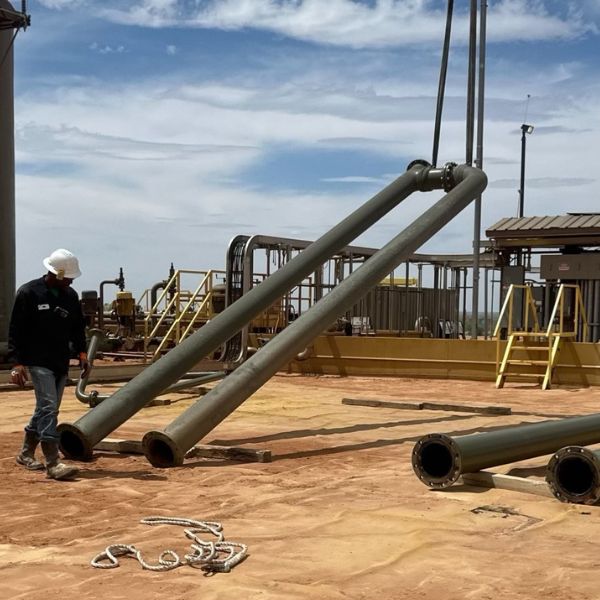

The cured-in-place installation process starts with evaluating the pipe in inquiry to determine whether any kind of damage is existing or requires substitute. Later, if necessary, cleaning has to happen inside the pipe to ensure that all product buildup is gotten rid of and all surface areas are smooth and uncontaminated before lining installation. When these actions are finished, an unique resin-coated felt or hybrid felt and fiberglass textile is put right into the pipeline and uniformly distributed along its length.
The Basic Principles Of Permian Basin Pipeline Construction
Healing (either ambient, warmed water or air, or UV) is presented right into television when the lining installation is full, healing and forming the material textile around the old pipeline's shape. It needs article source to be kept in mind that too much stress must be prevented at all costs because it can create more damages to the system.
This thorough section about the 'Cured-In-Place Installment Process' has actually explained its step-by-step procedure. By comprehending what enters into this procedure and its problems, we can value how valuable it can be for many piping repair services - Permian Basin Pipeline Construction. Currently allow us move on to discover what sorts of materials are used in this process in our next section
The Ultimate Guide To Permian Basin Pipeline Construction
The suitable product can significantly affect the task, including cost-effectiveness, durability, performance, and effectiveness. Polymer linings are typically favored for CIPP due to the fact that they are highly sturdy and resistant to rust and deterioration. They can likewise last anywhere from 10 to three decades, depending upon the high site link quality of the products made use of.
It is frequently much easier, much less turbulent, and much more cost-efficient than traditional repair services. Among the major benefits of CIPP pipeline setup compared to the conventional technique of eliminating and replacing any kind of broken pipeline sections with brand-new product is that CIPP pipeline does not need digging or excavating the bordering locations.
This minimizes the moment and labor required for complicated remediation jobs. Ultimately, CIPP products are thinner than sections of the brand-new pipeline, so they need very little space while supplying superior longevity and sturdiness contrasted to various other methods of fixing broken pipes. While CIPP installment provides some distinct benefits over conventional methods of repairing pipes, it can have particular restrictions depending on which type of specific scenario requires it.
Permian Basin Pipeline Construction for Dummies
On the whole, CIPP pipe installation offers several benefits when it pertains to conserving time, cash, and effort during pipeline fixing projects. These advantages make it an attractive choice for those trying to find quickly yet reputable methods to resolve broken pipes in your home or in service settings. In the adhering to area, we will discuss an introduction of cured-in-place pipeline installment in better information to give you an even better understanding of its lots of advantages.